
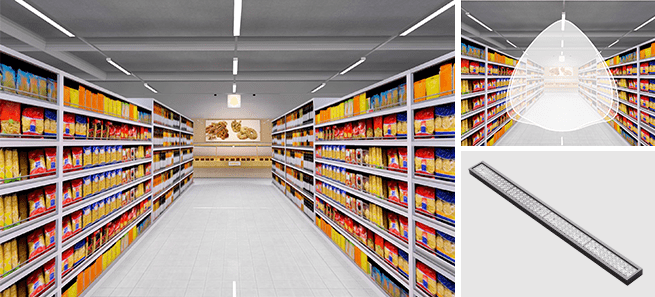
Supermarket energy efficiency often focuses on equipment specs, temperature setpoints, and compressor models. But two often-overlooked design factors—aisle width and lighting angle—can have a profound impact on compressor runtime and overall refrigeration energy consumption.
In this blog, we’ll explore how layout choices interact with lighting and airflow, contributing to thermal load and system inefficiency, and how simple design adjustments—or enhancements like night covers and LED upgrades—can mitigate this invisible energy drain.
The Hidden Link: Aisle Width, Heat Load & Refrigeration Strain
Wide aisles may improve shopper traffic, but in refrigerated departments, the wider the aisle, the greater the volume of warm ambient air that circulates near open cases. This can:
Disrupt the cold air curtain inside multi-deck cases
Increase ambient heat gain in the open display
Force compressors to cycle more frequently to maintain set temperatures
Wider aisle = more warm air = longer refrigeration cycles = higher energy costs.
Why It Happens
Refrigerated cases rely on a thin, consistent air curtain to keep cold air in and warm air out. The further away the opposing shelf or obstacle (i.e., the other side of the aisle), the more turbulent the airflow becomes. This makes it easier for warm air to infiltrate and destabilize the case’s internal environment.
Result: Evaporator coils absorb more heat and require longer run times to remove it.
Lighting Angle: A Small Detail, Big Impact
Lighting is essential for visibility and merchandising—but poorly angled or overpowered lighting can add unintended heat directly to refrigerated zones.
How It Adds Thermal Load
Overhead LEDs that shine directly into open cases contribute radiant heat
Spotlights aimed at product shelves can increase surface temperatures by 2–4°F
Heat absorbed by packaging or product is transferred into the refrigerated air, causing compressors to work harder
In some stores, lighting adds as much as 10–15% of the thermal load on a display case, especially when combined with wide, unbuffered aisles.
Real-World Example: Compounded Impact
Imagine a 10-foot open dairy case located at the end of a 12-foot aisle, brightly lit by overhead LEDs angled directly at the middle shelf. Throughout the day:
Warm aisle air infiltrates the case, disrupting the air curtain
Lighting raises product surface temperatures, requiring faster cooling cycles
Humidity from foot traffic condenses on shelves, prompting defrost cycles
Compressor runtime in this scenario can increase by 20–25% compared to the same case in a more optimized environment.
Solutions That Reduce Load Without Sacrificing Merchandising
Retailers don’t need to rebuild their stores to improve efficiency. A few targeted interventions can significantly cut thermal gain and compressor runtime:
- 1. Install Night Covers (like Econofrost) Night covers block ambient heat and light when the store is closed, minimizing nighttime thermal gain and reducing compressor workload. Econofrost aluminum night covers have been shown to reduce refrigeration energy use by up to 36% overnight, especially in wide-aisle configurations.
- Use SafeSpectrum™ LED Lighting Promolux’s SafeSpectrum™ LEDs reduce short-wavelength radiation that contributes to food oxidation and radiant heat gain. Their balanced spectrum lighting improves product visibility without overloading the refrigeration environment. Retailers using SafeSpectrum™ LEDs report better temperature stability and reduced shrink, particularly in meat and dairy cases.
- Adjust Lighting Angle and Intensity Ensure overhead lighting is aimed toward aisle pathways, not directly into cases. Dimmer, indirect angles reduce heat exposure while still providing excellent visibility.
- Optimize Aisle Width in Refrigerated ZonesWhile wide aisles are great for shopper flow, narrowing aisles slightly in refrigeration-heavy sections (from 10–12 ft to 7–9 ft) helps stabilize airflow and reduce energy waste. This minor adjustment can cut air infiltration by up to 30%, improving refrigeration performance without affecting customer experience.
Benefits for Store Operations
By addressing lighting and aisle-related inefficiencies, supermarkets can see measurable improvements:
Reduced Compressor Runtime: Equipment cycles less often, extending lifespan
Lower Energy Bills: Decreased kWh usage from lighting and refrigeration systems
Improved Product Integrity: Stable temperatures protect perishables
Fewer Service Calls: Less strain on compressors means fewer breakdowns
Enhanced Store Comfort: Cooler aisles, less warm air discharge from overworked systems
Thermal Optimization Without Compromise
Retailers who take a thermal design approach—considering airflow, lighting angles, and traffic flow—position themselves for:
Long-term cost savings
Higher shopper satisfaction
Greater compliance with sustainability goals
Final Thoughts
Lighting and layout may seem like minor details in refrigeration planning—but they can dramatically affect compressor performance, energy use, and product freshness.
By narrowing aisles in refrigeration zones, re-angling lights, and incorporating Econofrost night covers and SafeSpectrum™ LEDs, grocery retailers can transform hidden energy drains into measurable savings.
Learn more about energy-efficient refrigeration lighting and night cover solutions:
www.econofrost.com | www.safespectrum.com
www.energy-savings-refrigeration.com
