
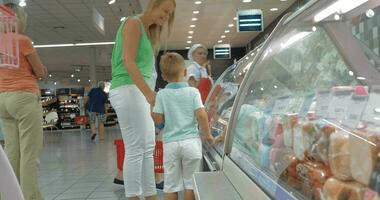
Maintaining cold temperatures in supermarket refrigerated cases isn’t just a matter of good equipment—it’s about smart design choices. Every aisle layout, fixture placement, and airflow path either helps conserve energy or silently drives up your utility bill.
Unfortunately, many grocery stores unintentionally make architectural mistakes that increase air infiltration, waste cold air, and overwork refrigeration systems. These missteps don’t just impact energy use—they also affect food safety, product freshness, and long-term equipment performance.
This blog explores how retail layout choices contribute to energy waste—and how integrating night covers, airflow barriers, and optimized lighting can solve the problem without requiring a complete store remodel.
What Is Case Recovery Time?
Case recovery time refers to how long it takes for a refrigerated display case to return to its target temperature after being disturbed by an external factor—like warm air infiltration or case door openings.
Longer recovery times result in:
- Increased compressor runtime
- Higher energy consumption
- Greater strain on refrigeration components
Risk of product temperature fluctuations (which can affect food safety and shelf life)
The shorter the recovery time, the more energy-efficient and food-safe your operation becomes.
How Shopper Movement Disrupts Refrigeration
In supermarkets and grocery stores, every aisle serves a dual purpose: merchandise display and a customer walkway. But shopper behavior introduces unexpected heat loads into refrigerated zones through:
1. Frequent Air Displacement:- Every person walking past or stopping in front of an open case pushes and pulls air—known as thermal displacement. In high-traffic aisles, this constant movement disturbs the cold air “curtain” inside open cases, allowing warm ambient air to seep in.
2. Case Door Openings and Dwell Time:- For reach-in refrigerated cases, the frequency and duration of door openings by customers plays a major role in temperature rise:
A customer who opens a door and lingers for 30 seconds introduces significantly more warm air than one who makes a quick grab.
Multiple shoppers opening adjacent doors simultaneously creates compounded infiltration.
3. Bottlenecks and Cluster Zones:- When multiple shoppers gather near deli, produce, or meat sections—especially during peak hours—they form heat islands. Body heat, combined with stagnant air circulation, worsens cold air loss from nearby cases.
4. Pathways That Channel Warm Air:- Aisles aligned with store entrances or external windows often act as conduits for warm outside air. If these aisles house open refrigerated cases, recovery time skyrockets.
The Energy Cost of Poor Traffic Management
When customer movement disrupts thermal stability:
- Compressors must work harder and longer to restore cold temperatures
- Case fans run more frequently to balance air movement
- Energy costs increase over time
- Refrigeration equipment experiences faster wear and tear
Estimated impact: In a medium-sized supermarket, shopper-induced air infiltration can account for 10–15% of total refrigeration energy load, especially in open cases.
How Night Covers Help Stabilize Case Temperatures
One of the simplest and most effective tools for managing thermal disruptions—particularly after hours—is the use of night covers.
Econofrost Night Covers:
- Create a passive thermal barrier over open refrigerated cases
- Minimize the cold air spill during non-operating hours or low-traffic periods
- Help cases recover faster each morning by reducing overnight temperature drift
Reduce compressor cycling and system runtime
Even during the day, using night covers during cleaning or slow business periods can reduce case exposure and enhance energy efficiency.
Layout Design Strategies to Control Traffic Flow
Improving traffic patterns doesn’t mean restricting access—it means intelligently directing flow to minimize cold air loss. Here are some practical tips:
- Avoid Placing Refrigerated Cases at Entrances:- Entryways bring in outside air. Positioning sensitive open cases away from these zones helps prevent immediate thermal impact.
- Widen High-Traffic Aisles:- Narrow aisles concentrate warm air and customer movement near the cold case. Providing wider lanes helps disperse air movement and reduce warm air infiltration.
- Segment Hot Zones from Cold Zones:- Avoid placing hot bars, ovens, or coffee stations near refrigerated sections. Heat-emitting zones near cold displays create localized thermal challenges.
Technology Integration for Monitoring & Adaptation
Supermarkets can also leverage sensor-based technologies to better understand and react to shopper behavior:
Thermal cameras can map heat patterns and identify case zones most affected by shopper movement.
Energy monitoring software linked with store layout data can pinpoint high-cost refrigeration zones caused by traffic disruptions.
Real-World Applications and Benefits
- Faster morning recovery times, cutting compressor runtime by up to 20%
- Reduced product shrink due to more stable case temperatures
- Lower maintenance costs on refrigeration equipment
- Improved energy efficiency and fewer utility spikes during peak hours
These changes don’t just save money—they improve food safety and shopper satisfaction.
Sustainability Considerations
Shorter recovery times = less energy = fewer emissions. For retailers committed to green operations, reducing energy waste due to shopper traffic is a sustainable win.
By:
- Installing night covers
- Optimizing case placement
- Managing air infiltration
stores take a significant step toward net-zero refrigeration operations.
Final Thoughts
Shoppers move where the design leads them—and if your layout doesn’t support refrigeration efficiency, you’re paying for it in more ways than one.
With simple tools like Econofrost night covers and smarter traffic flow design, you can:
- Reduce warm air intrusion
- Shorten case recovery time
- Cut energy bills
- Extend equipment life
- Protect product quality
It’s not about restricting customers—it’s about guiding them in a way that supports your store’s thermal strategy.
Learn how to protect your energy costs from shopper flow mistakes: www.energy-savings-refrigeration.com
