
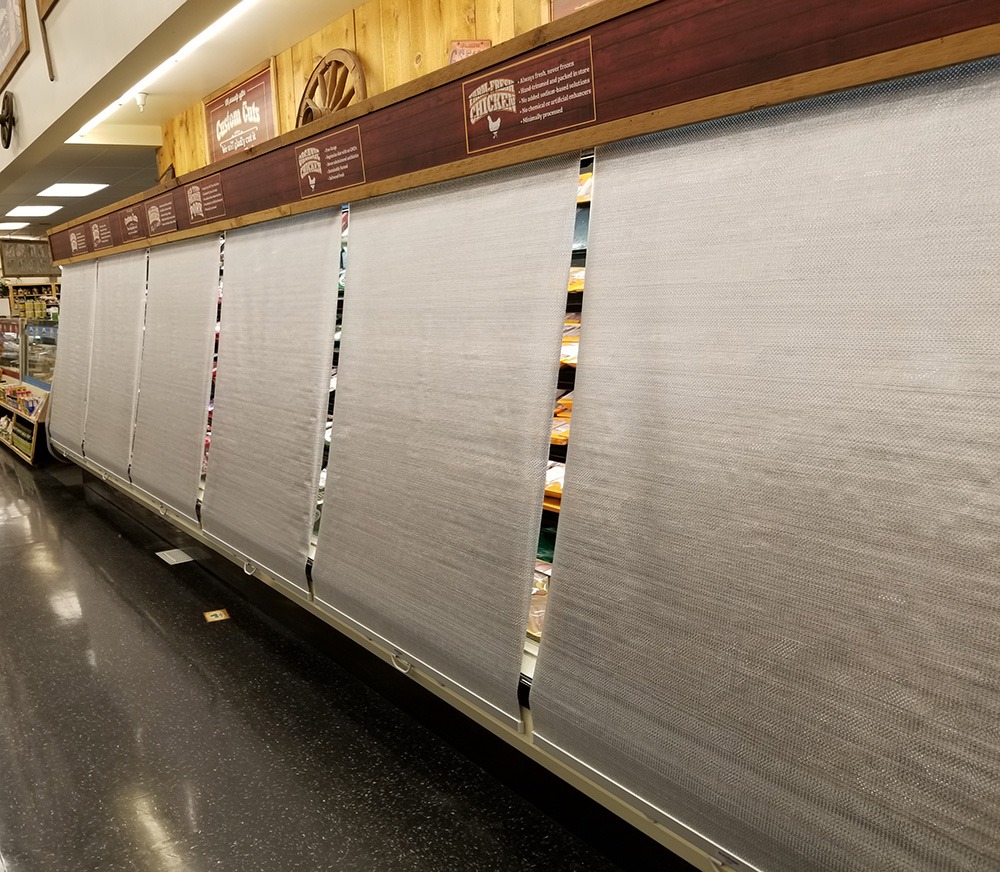
As environmental, social, and governance (ESG) strategies become core to retail operations, supermarkets are re-evaluating everything from lighting systems to supply chain packaging. Yet, one unsung hero in ESG reporting—night covers for refrigerated display cases—is often overlooked.
Night covers, especially thermal reflective ones like Econofrost, are more than just energy-saving tools. They serve as passive barriers that reduce refrigeration load, improve product integrity, and lower carbon output. That’s why they deserve a clear role in ESG metrics and sustainability disclosures.
ESG Frameworks: A Quick Refresher
Retailers are increasingly expected to report on their:
🌱 Environmental Impact (e.g., emissions, energy use, waste)
🤝 Social Responsibility (e.g., food security, labor practices)
🧭 Governance Standards (e.g., transparency, risk management)
Most environmental sections include data like total energy consumed, refrigeration efficiency, and waste reduction. Night covers directly support all three.
Environmental Benefits: Less Load, Less Emissions
Refrigerated cases account for 40-60% of energy consumption in grocery operations. Open multi-deck cases bleed cold air, especially at night when no customers are present.
How night covers help:
- Reduce refrigeration cycling during closed hours
- Lower compressor run times, extending equipment lifespan
- Minimize ambient heat infiltration, maintaining case temperature with less effort
According to internal studies and retail trials, thermal night covers can reduce refrigeration energy use by 8–20% overnight, depending on case design and store conditions.
Insight for ESG reports: This translates to lower Scope 2 emissions (indirect energy use), a critical metric in sustainability disclosures.
Social Benefits: Food Waste Reduction
Spoilage doesn’t just hurt profit—it raises ethical and societal concerns. Night covers help retailers keep perishable products like meat, dairy, produce, and deli items at consistent temperatures, reducing the chance of:
- Surface dehydration
- Color fading (especially in leafy greens and meats)
- Flavor degradation
- Shortened shelf life
Impact: Stores using night covers report up to 15–20% less shrink in vulnerable categories like produce and meat.
For ESG reporting, this supports food waste minimization, which contributes to both environmental and social goals.
Governance & Transparency: Trackable, Auditable Action
Night cover usage can be monitored and logged just like lighting systems or HVAC schedules. With simple sensors or manual logs, stores can document:
- Which cases are covered each night
- Duration of deployment
- Associated energy savings
This kind of trackable action supports ESG governance goals by:
- Demonstrating proactive energy management
- Showing real-time interventions, not just reactive maintenance
- Providing auditable metrics for compliance with carbon reduction frameworks (e.g., CDP, GRI, or retailer-specific sustainability pledges)
Pro tip: Add night cover usage to your store efficiency dashboard to correlate usage with refrigeration load and shrink data.
Where Econofrost Night Covers Excel
Unlike flimsy or aesthetic-only options, Econofrost aluminum night covers offer:
- Reflective barrier technology that repels ambient heat
- Durability for commercial use (tens of thousands of open/close cycles)
- Easy integration with open multi-deck cases
- Certified performance metrics for energy savings.
These performance attributes make Econofrost an ideal candidate for inclusion in sustainability certifications like LEED, BREEAM, or ENERGY STAR programs.
Results After 3 Months:
- 15% reduction in energy use for refrigerated departments
- 20% improvement in shelf life for meat and leafy greens
- Dashboard revealed peak inefficiency during staff stocking periods, prompting process changes
- ESG report included verified carbon reduction tied directly to case-level upgrades
Implementation Best Practices
To maximize ESG benefits and reporting accuracy, follow these steps:
- Standardize Deployment: Ensure night covers are used consistently during all non-operating hours.
- Monitor Usage: Use mechanical sensors or digital logs to track deployment per case.
- Pair With Smart Lighting: Combine with spectrum-controlled LEDs like SafeSpectrum™ for optimal night/operational transitions.
- Report Quarterly: Include night cover data in internal and external ESG reporting cycles.
Final Thoughts
Night covers are not just an operational efficiency tool—they are a low-cost, high-impact contributor to retail sustainability.
By including them in ESG reporting, supermarkets can:
Show measurable action in reducing energy waste
- Lower food shrink and improve shelf-life consistency
- Track and report case-level interventions transparently
- Improve alignment with sustainability goals and stakeholder expectations
If your ESG strategy doesn’t include night cover metrics yet—it’s time to fix that.
Learn more about energy-saving refrigeration solutions at: www.energy-savings-refrigeration.com
Suggested References
Energy Star Refrigeration Efficiency Best Practices – U.S. Department of Energy, 2022
Promolux & Econofrost Internal Energy Trial Reports (2023–2024)
Cold Chain Waste Study – Grocery Efficiency Council, 2023
