
How Inappropriate Lighting Disrupts Product Quality, Nutrient Retention, and Refrigeration Efficiency
In today’s modern grocery and food retail environments, cold chain integrity is more than a logistics concern—it’s a quality assurance commitment. From the moment a product is frozen or chilled, every step in its journey to the shopper’s plate matters. While refrigeration equipment and transportation protocols receive most of the attention, lighting is the silent disruptor that often goes unnoticed.
Promolux SafeSpectrum™ LED lighting solutions offer an innovative way to stabilize the cold chain, reducing spoilage and degradation by minimizing one of the most underappreciated threats: wavelength-induced heat and photo-degradation.
Let’s explore how improper lighting affects every phase of the cold chain—and why spectrum‑optimized LEDs are becoming a cornerstone of quality-focused supermarket operations.
What Is Cold Chain Instability?
Temperatures fluctuate beyond safe thresholds
Products are exposed to harmful conditions (light, humidity, poor airflow)
Degradation begins even though cold storage appears to be functioning
Even slight disruptions—like unshielded lights in display cases—can trigger chemical changes in food, affecting:
- Color
- Taste and aroma
- Nutritional value
- Shelf life
The Role of Lighting in Cold Chain Weakness
Traditional lighting systems, including fluorescent and standard LEDs, are optimized for brightness and efficiency, not for product preservation. These systems emit:
- High-energy blue light that accelerates oxidation
- UV radiation that degrades vitamins and pigments
- Radiant heat that adds unwanted thermal load to cold cases
This adds a hidden heat burden, causing refrigeration systems to work harder to compensate—especially in multi-deck cases, open displays, and vertical dairy walls.
Cold Chain Risk Points Where Lighting Makes Things Worse
- Transport & Distribution: Some transport lighting systems use harsh white or UV-rich lights during loading/unloading.
This brief exposure can already begin oxidizing sensitive items like leafy greens, meats, and dairy. - Back-of-House Cold Rooms: High-wattage fluorescent bulbs add unnecessary heat in prep areas, increasing compressor runtime.
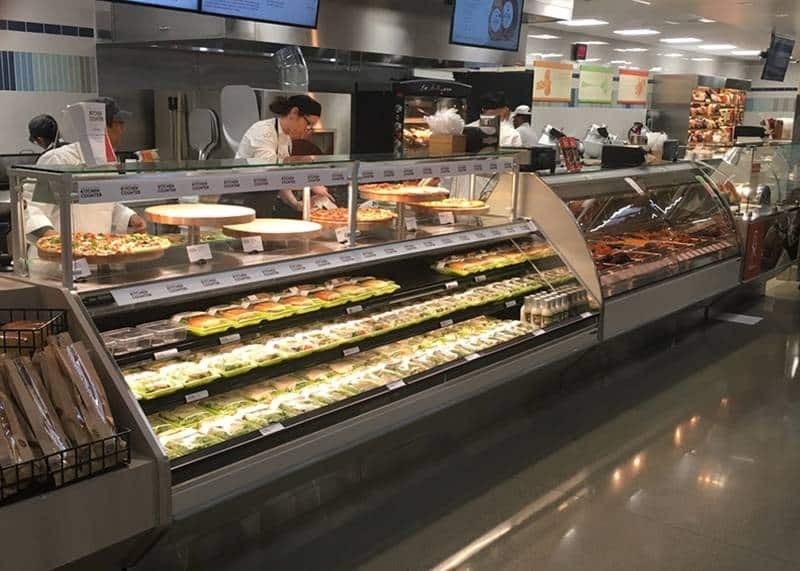
- Retail Display Cabinets: Most cold chain breakdowns happen right at the store, where lighting is continuously on.
Improper lighting can raise the surface temperature of products by 1–3°C, even when refrigeration is set correctly.
Scientific Support: Light’s Impact on Food Stability
Numerous studies show that light-exposed food deteriorates faster, even under refrigeration:
- Dairy & Plant-Based Beverages: Riboflavin (B2) and vitamin A are highly light-sensitive and degrade under UV and blue wavelengths.
- Meat & Seafood: Oxidation increases under improper lighting, altering color and creating off-odors.
- Leafy Greens: Chlorophyll loss and wilting occur faster with standard lighting.
University of Zaragoza studies and Texas A&M research confirm that light spectrum control preserves food color and slows oxidation—even under identical refrigeration conditions.
SafeSpectrum™ LED: Stabilizing the Cold Chain Through Smart Lighting
Promolux SafeSpectrum™ LEDs are engineered to support cold chain performance, not undermine it. By controlling light wavelength, these LEDs:
- Filter out UV and high-energy blue bands
- Reduce product surface temperature
- Preserve nutrient content longer
- Minimize thermal stress on compressors
Outcome: More consistent in-case temperatures and longer shelf life—without overcooling.
Real-World Retail Benefits
Retailers using SafeSpectrum™ lighting report:
- 20–30% reduction in rewraps and early markdowns
- 1–2°C lower surface temperature on key products
- Improved cold case recovery after restocking
- Greater shopper trust due to fresher-looking displays
“We didn’t realize lighting was compromising our refrigeration performance. Switching to spectrum-controlled LEDs made an immediate difference.”
— Store Manager, Midwest Natural Grocer
Sustainability & Energy Efficiency Advantages
Lighting that works with refrigeration (not against it) supports:
- Lower food waste through longer product integrity
- Reduced compressor workload and lower energy use
From Cold Rooms to Checkout: Lighting Makes a Difference
- In Cold Rooms: Use SafeSpectrum™ fixtures with minimal heat radiation and controlled spectral output.
- In Open Displays: Choose LEDs that won’t degrade exposed surfaces or heat the air around products.
- In Packaged & Ready-to-Eat Foods: Protect vitamins and antioxidants from shelf-light exposure—even in chilled conditions
Final Thoughts
Cold chain success doesn’t rely on refrigeration systems alone. Lighting is an often-overlooked variable that can erode food quality from the inside out.
With Promolux SafeSpectrum™ LEDs, you can:
- Prevent cold case temperature creep
- Preserve vitamins, appearance, and aroma
- Strengthen every link in your cold chain
- Reduce operational costs and environmental impact
Learn more about cold chain–friendly lighting at
References
- University of Zaragoza (Spain). Studies on oxidation and pigment stability under spectrum-controlled LED lighting.
- Texas A&M University, Department of Animal Science. Research on lipid oxidation and meat discoloration from retail lighting.
- Promolux Technical Archive, 2022–2023. Internal data on food temperature impact and cold chain performance metrics.
