
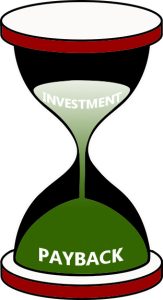
When grocery retailers evaluate energy-efficiency upgrades—like LED lighting, night covers, or smarter refrigeration systems—they often turn to a payback period calculator to determine ROI. But here’s the problem:
Most payback tools only consider utility savings.
They don’t account for reductions in food spoilage, compressor run-time, maintenance costs, or improvements in product quality.
That’s not just an oversight—it’s a fundamental flaw that can drastically understate the true value of refrigeration investments.
What Standard Payback Calculators Miss
Most simple ROI calculators are built on:
Upfront cost
Annual energy savings
Utility rate per kWh
Months or years to break even
They ignore operational benefits like:
Reduced shrink from temperature- or light-related spoilage
- Compressor wear reduction due to lower thermal load
- Labor savings from fewer markdowns or rewraps
- Better merchandising outcomes (appearance + customer trust)
As a result, a system with a “3-year payback” might actually pay for itself in under 12 months—if all hidden savings are measured.
Real-World Example: Lighting Change Without Spoilage Data
A retailer installs basic LED lighting in meat and dairy cases. Standard calculations suggest:
- Lighting upgrade cost: $4,000
- Projected energy savings/year: $1,200
- Simple payback: 3.3 years
But here’s what’s missing:
- Standard LEDs increased discoloration → more rewraps
- Compressor runtime increased due to excess radiant heat
- Meat lost visual appeal → fewer full-price sales
Reality: The store lost more in shrink than it saved on electricity.
What a True Payback Model Includes
To accurately assess energy-efficiency technologies like SafeSpectrum™ LED lighting or Econofrost night covers, retailers must include:
- Shrink Reduction Value: Estimate dollar value of perishable foods saved from premature spoilage due to:
- Reduced light-induced oxidation
- Slower dehydration and discoloration
- More stable temperatures from reduced thermal load
- Compressor Lifecycle Impact: Smart lighting and covers reduce compressor cycling. This extends:
- Mean time between failures (MTBF)
- Oil change intervals
- Compressor replacement schedules
This adds thousands in deferred maintenance or capital savings.
- Labor & Merchandising Impact
- Fewer rewraps or markdowns = lower labor costs
- Products look better longer = more full-price sales
- Fewer customer complaints = better brand trust
- Smart models reveal how quickly the investment actually pays for itself.
What a True Payback Model Includes
To accurately assess energy-efficiency technologies like SafeSpectrum™ LED lighting or Econofrost night covers, retailers must include:
- Shrink Reduction Value: Estimate dollar value of perishable foods saved from premature spoilage due to:
- Reduced light-induced oxidation
- Slower dehydration and discoloration
More stable temperatures from reduced thermal load
- Compressor Lifecycle Impact: Smart lighting and covers reduce compressor cycling. This extends:
- Mean time between failures (MTBF)
- Oil change intervals
- Compressor replacement schedules
This adds thousands in deferred maintenance or capital savings.
- Labor & Merchandising Impact
- Fewer rewraps or markdowns = lower labor costs
- Products look better longer = more full-price sales
- Fewer customer complaints = better brand trust
Smart models reveal how quickly the investment actually pays for itself.
Compressor Wear: The Silent ROI Factor
Compressors represent one of the most expensive refrigeration assets. Overuse shortens lifespan and increases risk of:
- Motor failure
- Oil overheating
- Increased electricity usage due to inefficiency
By reducing thermal stress from lighting or airflow loss, retailers can:
- Extend compressor life by 2–5 years
- Avoid premature replacements
- Decrease emergency maintenance calls
Every year of compressor life saved adds thousands in invisible ROI.
Why You Should Demand Better Metrics
Retailers should demand payback calculators that include:
- Shrink reduction data (based on case studies or internal loss audits)
- Compressor run-time changes post-upgrade
- Historical labor savings from less handling
- Case temperature fluctuation improvements
These figures may take time to gather—but they’re worth it.
Tools for Smarter Payback Modeling
Energy + Shrink Dashboards: Combine utility data with spoilage reports
Compressor Loggers: Monitor runtime, load, and cycle duration
Visual Merchandising Logs: Track markdowns, rewraps, and staff interventions
Temperature Sensors: Log internal case temperatures with and without upgrades
These tools create an integrated model that reveals true ROI.
Final Thoughts
Don’t trust payback period calculators that only show part of the story.
Modern energy-saving technologies like SafeSpectrum™ LEDs and Econofrost night covers offer more than just electricity reductions—they reduce shrink, extend equipment life, and improve merchandising.
When all factors are included, payback periods drop dramatically—and energy upgrades become no-brainers.
Learn more about smart payback modeling and refrigeration efficiency at: www.energy-savings-refrigeration.com
